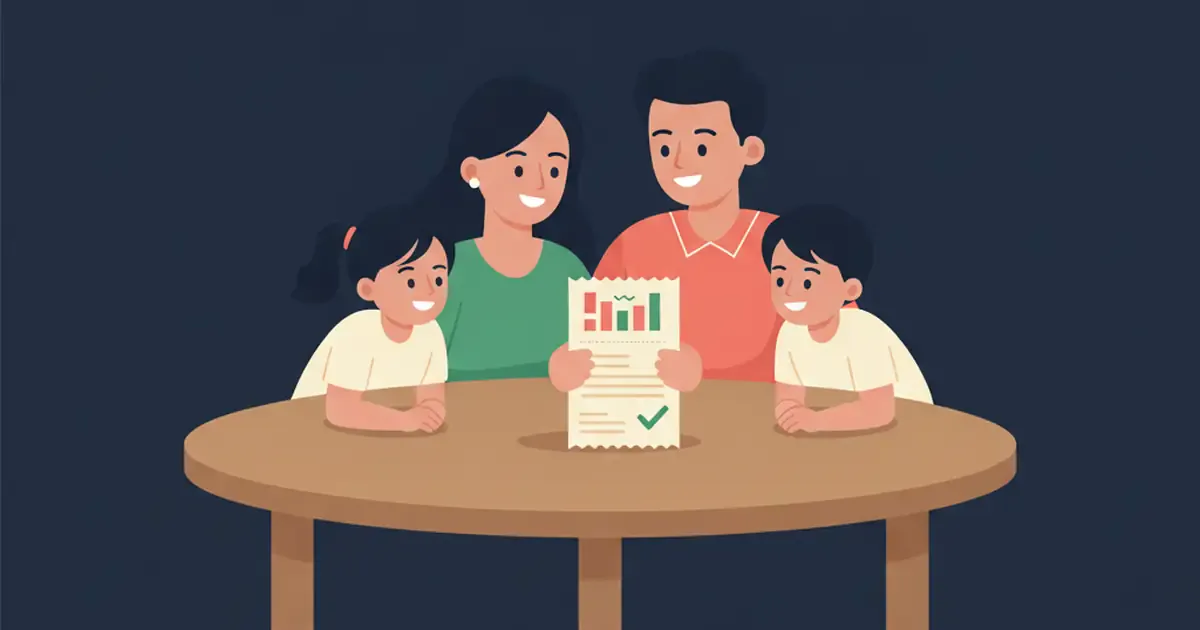

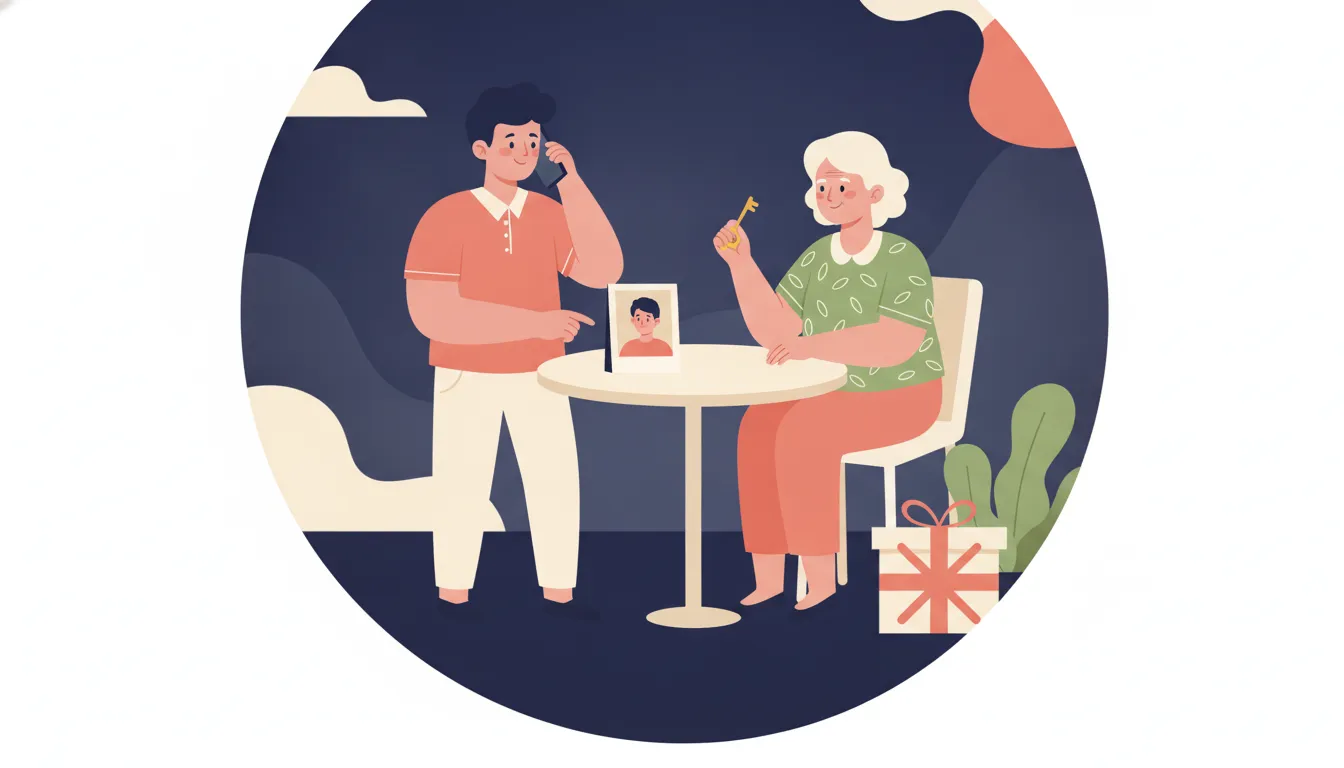
A remittance scam usually starts with a voice you trust and a clock you do not control. Someone who sounds like a child, a parent, or a new friend says money has to move now, to a new account, and that you should not call anyone else first. The Federal Trade Commission treats family-emergency impersonation as a known scam pattern, and voice cloning can make the call sound real. Knowing how to protect family from remittance scams means agreeing on a check before anyone is scared.
Call (857) 270-0094 if you want to reach Mana before you send. The private code and the saved callback still decide whether the request is real.
We wrote this as the family plan, not a fee chart and not a savings guide. If you want the ordinary send, start with the remittance to the Philippines guide for OFWs. If you want dollar yield, the live high-yield USD savings guide for OFWs already covers that. Use the steps below when the ask itself looks wrong.
How Do You Protect Family From Remittance Scams Before Anyone Calls?
You protect family from remittance scams by agreeing on a private check before a crisis. A code word, a short list of who may receive money, and one callback number stop most emergency asks. Write the plan down while everyone is calm, then keep it off social media.
Pick a code that is not a birthday, a street, or a pet name already posted online. The U.S. Senate Special Committee on Aging's 2024 fraud booklet warns that scammers use AI to clone a loved one's voice from a short clip and then demand money at once. Practice the code once. If a caller will not use the word, the call ends, even if the voice sounds perfect.
Name the people who may receive support, and the account each one already uses. A parent in Manila and a sibling in Cebu can both be on the list. A brand-new wallet, a courier, or a "lawyer" is not. If someone on the list changes banks, they tell you on a call you place, not in a rushed chat.
Set one callback path. Save your parent's real mobile number under a contact you dial yourself. Do not use the number in the incoming text. The FBI's romance-scam guidance is blunt on a related trap: never send money to anyone you have only met online, and stop contact if they ask. The same pause helps a family call. You hang up and dial the number you already saved.
We built Mana for this kind of cross-border household. OFWs supporting family from the United States, and Filipino freelancers who hold client payments in dollars, already juggle more than one country. Our homepage says a Philippine passport, driver's license, or PhilSys ID is enough to open an account, and you can open one from the Philippines. That fact does not make a surprise payment request safe. The plan above still decides whether you send at all.
How Do You Protect Family From Remittance Scams You Already Recognize?
You protect family from remittance scams you already recognize by treating urgency, secrecy, and a new payment path as the pattern, not the story. Emergency calls, romance requests, and fake support agents all push money off the route an OFW family already uses. The details change. The pressure does not.
Family-emergency scams claim a relative is hurt, arrested, or stuck at an airport. The FTC says scammers now use AI voice cloning so the caller sounds like your grandchild or your parent, then ask you to send money right away. A real relative can wait two minutes while you call back on a saved number. A scammer cannot.
Romance and friendship scams build trust, then ask for a medical bill, a legal fee, or a ticket. The FBI says these criminals often promise an in-person meeting that never happens, and they may ask for your account details so they can "deposit" money. That request can turn your account into a pass-through for someone else's theft. Stop contact and do not send a test amount.
Payment-path switches are quieter, and they hit senders who already support family on a schedule. A parent says their bank is down and offers a different account, or a helper says GCash is blocked and a stranger will receive the cash. Compare the new details with the account you already verified. If they do not match, do not send. Read how direct-to-bank remittance to the Philippines works so a normal deposit does not get confused with a last-minute detour.
Fake-agent messages pretend to be the app, the bank, or a government office. They ask for a one-time code, a password, or a "reversal" transfer. We will not ask you to move money to a personal account to unlock yours, and a text that says otherwise is not our channel. Open the Mana app you already installed, or use the support number printed on our site, +1 (857) 270-0094. A link in a surprise text is not that channel.
What Should the Family Agree On Before the Next Send?
Agree on who receives money, how you confirm a change, and what no one is allowed to do under pressure. A short written list beats a long lecture. Review it when someone travels, changes numbers, or starts handling money for a parent.
| Agreement. | What the family decides. | What never counts as proof. |
|---|---|---|
| Who can receive. | Named relatives and the account you already checked. | A new name introduced during the emergency. |
| How you confirm. | You call a saved number and use the private code. | A voice note, a cloned call, or a message that says not to call. |
| What you share. | Only the amount and the purpose, after you confirm. | Passwords, one-time codes, or ID photos in chat. |
| When you pause. | Any new account, gift card, or courier request. | A deadline of ten minutes or else. |
| Who else knows. | One backup relative who can verify the story. | A stranger who offers to fix it for a fee. |
Keep the receiver's name spelling and account number in a note you control. Before a large or unusual send, read both aloud on a call you started. Small spelling changes are a common way money lands in the wrong account. The CFPB's remittance error guide says you have 180 days from the availability date to report an error, and the provider generally has 90 days to investigate. A wrong account number you supplied is not the same as a provider error, so the callback still matters.
If a relative in the Philippines needs spending money without a fresh transfer, look at a family Visa card for an OFW. Our card can include cards for family members with spending limits you set. That is still your decision, made in the app, not a request from an unknown caller. The card is issued by our card partner under a license from Visa.
Filipino freelancers who receive client payments in dollars face a cousin of this scam: a "client" who overpays and asks for the extra back. Hold the dollars in your own account and compare payout instructions before you move anything. Getting paid in dollars is not a reason to refund a stranger.
How Should You Check a Suspicious Remittance Request?
Check a suspicious request by leaving the channel it arrived on. Hang up, ignore the link, and call a saved number. Ask for the private code, then confirm the amount, the receiver, and the account. If any answer is wrong or angry, do not send.
- Stop the live call or chat. Do not stay on the line while you "just check."
- Call the relative on the number already saved in your phone.
- Ask for the family code before you discuss the amount.
- Confirm the receiver's full name and the account you have used before.
- Ask a second relative who is not part of the story.
- Look at the payment path. Gift cards and a stranger's wallet are refusals.
- Open the app yourself. Do not tap a link from the message.
- Read the name, amount, and destination on the confirmation screen before you approve.
When the request is real, we want you to see the peso amount before you confirm. Our homepage comparison, dated November 17, 2026, shows what a normal $100 US-to-Philippines send looks like next to other providers. Account opening is free. Save, if you use it, is a yield feature on the USD wallet rather than a deposit account, and the current 3.5% APY may change. None of those product facts replace step two. A clear screen does not make a surprise recipient safe.
| Provider. | You send. | Total fees. | They receive. | Arrives in. |
|---|---|---|---|---|
| Mana. | $100. | $0.25, a 0.25% flat fee at cost. | $99.75. | Minutes. |
| Wise. | $100. | $7.47. | $92.53. | Minutes. |
| Remitly. | $100. | $1.02. | $98.98. | Up to a few hours. |
| Western Union. | $100. | $4.58. | $95.42. | Up to 3 business days. |
| PayPal. | $100. | $9.40. | $90.60. | Up to 3 business days. |
Those figures are a snapshot of a normal send, not a reason to approve a new recipient. If the name on the screen is not the relative you called back, close the app.
If the relative confirms the request and the account matches, send through the path you already trust. If you are comparing a normal US-to-Philippines transfer, use how to send money to the Philippines from the USA for the ordinary options. Come back to this checklist whenever the story includes secrecy or a new account.
Teach older relatives one sentence they can use: "I will call you back." Scammers argue with that sentence. Family members do not. The Senate fraud booklet's practical advice matches this pause. Do not transfer money because a familiar voice is rushing you, and do not share passwords or one-time codes by phone or text.
What Should You Do If the Money Already Left?
If the money already left, contact the company that sent it and tell your family to refuse any follow-up payment. Speed matters more than a perfect write-up. Then report the scam so the same story is harder to reuse.
Call the remittance provider from the number on your receipt or in the app you opened yourself. The CFPB says you generally have 180 days from the availability date to report an error, and the provider generally has 90 days to investigate, then three business days to tell you the result. Do not wait for day 180. Include your name, a phone or address, the recipient's name and contact, the dollar amount, and a short description of the mistake.
A scam is not always the same thing as a provider error. If you approved a transfer to an account a criminal gave you, the provider may not be able to pull it back. Still report it. Ask whether the transfer can be stopped, recalled, or flagged. Keep the confirmation number. If a later transfer comes back, or the account name does not match, follow what to do when a remittance is returned. Do not send a replacement to a new account the caller suggests.
Tell the relative who was impersonated, and anyone else who sends money for that household. Scammers often call a second family member the same day. Change any password you typed after the call, and do not share one-time codes with the person who is "helping."
Report what happened. In the United States, use ReportFraud.ftc.gov for the Federal Trade Commission, and IC3.gov for the FBI's Internet Crime Complaint Center if the contact started online. If you sent from Mana, contact us through the app or at the number on our site, +1 (857) 270-0094, and share the confirmation details. Filing a report does not guarantee a refund. It does create a record, and it warns the next family.
Eligible deposits at SSB Bank may receive FDIC insurance up to $250,000 per depositor, for the bank's failure, under FDIC rules. Banking services are provided by SSB Bank, Member FDIC. Mana is a financial technology company, not a bank. That insurance is not reimbursement for a transfer you approved to a scammer. For how our controls and banking partner work in ordinary use, read whether Mana is safe and how FDIC coverage applies. A scam decision still happens before you tap confirm.
How Do You Keep the Next Transfer Inside a Trusted Path?
Keep the next transfer inside a path you opened yourself, to a receiver you already checked. Save the account, turn on your own alerts, and refuse any message that tells you to move the money elsewhere to "verify" it. The habit is the protection.
Store the receiver once, then reuse that payee. When a parent wants a change, update it on a callback, not from a screenshot. Before you confirm, match the name on the screen to the name in your note. A transfer you can explain in one calm sentence is usually the right one.
Use alerts you control. The Senate fraud booklet points readers toward fraud alerts on payment apps and on the bank or card linked to them, so a changed detail or a new transfer is visible. In our app, transactions show in the history you open yourself. Review them with the relative who watches the receiving account, especially after travel or a new phone.
Do not publish transfer amounts, flight days, or the fact that you send on a set Friday. Impersonators use those posts to time the call. A private family chat is enough. Public proof that you "always help immediately" is a script for the next caller.
Call (857) 270-0094 to reach Mana, or open a Mana account and review the next family send on a path you chose.
Frequently Asked Questions
How can I tell a family emergency call from a real one?
Hang up and call the relative on a number you saved earlier. Ask for the private family code before you talk about money. A real emergency survives that two-minute check. A refusal, a new account, or a demand that you tell no one is the scam pattern, even when the voice sounds right.
Should I send a small test transfer to a new account?
No. A small test to an unverified account is still a payment to someone you have not checked. Confirm the person on a saved number first. If the account is new, update it only after that callback, then send the real amount on the path you already use.
What if the scammer already has my one-time code?
Assume the code is compromised and contact the company through the app or the number on your receipt. Change the password from a device you trust. Do not send a second code or a "reversal" transfer to anyone who contacts you next. Then tell a backup relative so a repeat call is refused.
Does FDIC insurance return money sent to a scammer?
No. FDIC insurance, through SSB Bank, Member FDIC, covers eligible deposits up to $250,000 if the bank fails, subject to FDIC rules. It does not repay a transfer you approved. Contact the provider quickly, keep the receipt, and report the scam to the FTC or the FBI.
Where should our family keep the safe word?
Keep it in memory and in a private note, not in a social post, a shared album, or a chat with people outside the household. Review it when someone changes phones. If you think it leaked, pick a new word on a call you start, then retire the old one the same day.