Family Visa Card for OFW: A Practical Guide
Learn how a family visa card for ofw households can support everyday purchases, spending limits, and family visibility, while remittances handle other needs.
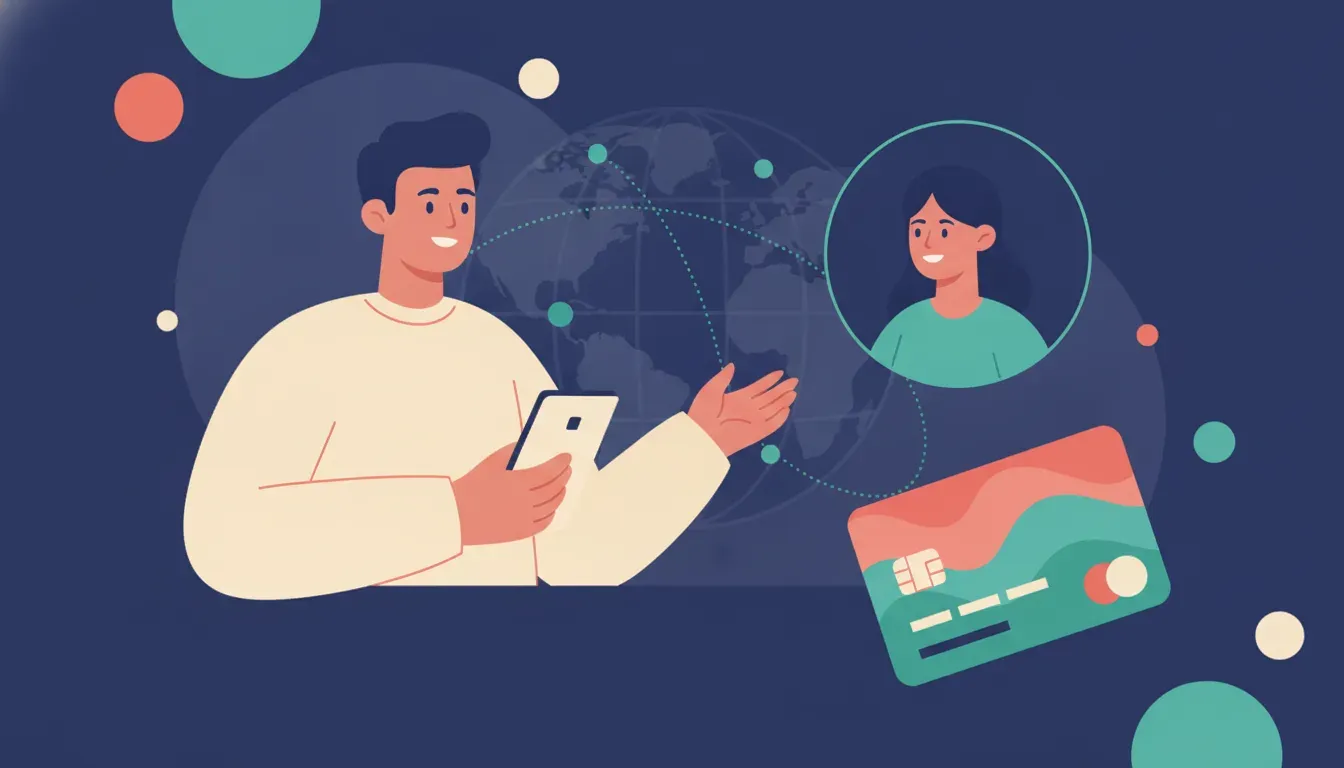
A family Visa card for OFW spending can give a relative a practical way to pay for everyday needs without sending a separate transfer for every purchase. Mana's card page describes a family-card option with a set limit and charge visibility, while the exact controls and eligibility should be confirmed before use.
For an OFW supporting family in the Philippines, that distinction matters. A card-funded purchase is different from an account-to-account remittance, so the right choice depends on the expense, the recipient's access, and the level of oversight your family needs. Mana is a financial technology company, not a bank; banking services are provided by SSB Bank, Member FDIC.
Join Mana to explore practical financial tools for OFWs.
Start by clarifying what this kind of family spending arrangement is designed to do, and where its limits begin.
What Is a Family Visa Card for OFW Spending?
A family visa card for OFW spending is a payment card arrangement that can help an overseas Filipino worker give a family member access to funds for eligible everyday purchases. It is not an immigration visa. In this context, "Visa" refers to the payment network, while the family feature refers to shared spending access.
For an OFW in the United States, supporting family in the Philippines can involve more than sending money for a single planned expense. A parent or sibling may need to pay for routine purchases while the worker is managing rent, food, and other obligations abroad. A family card can create another way to support those purchases without treating every expense as a separate cash handoff.
Mana offers a Visa card for global Filipinos through a licensed partner pursuant to a Visa license. Its card page describes a family-card feature that lets a user add a family card, set its limit, and see each charge. Those details matter because they frame the product as controlled card access, not as an unrestricted transfer of ownership or a promise that every merchant or purchase will qualify.
The distinction between a card and a remittance is also important. A card is used to pay a merchant when the card is accepted. A remittance moves money to a recipient through a transfer process. The right choice depends on the expense, the recipient's needs, and the product terms available at the time. A family card does not automatically replace every way of sending money home.
You can review the current product details on the Mana Card family controls page. Check the live terms before relying on a specific feature, since eligibility, limits, acceptance, and other conditions can change.
Mana is a financial technology company, not a bank. Banking services are provided by SSB Bank, Member FDIC. The banking-partner relationship is distinct from the licensed partner involved in the Visa card program, so those roles should not be treated as interchangeable.
How Can a Family Visa Card Help With Everyday Spending?
A family Visa card can give a relative a practical way to pay for approved day-to-day needs, while the primary account holder keeps a clearer view of spending. For an OFW supporting family in the Philippines, it may complement remittances by making some routine purchases easier to manage without treating every expense as a separate cash handoff.
Groceries are one straightforward example. If the store accepts the card and the purchase fits the card's terms, a family member may use it for regular food and household shopping. The same principle can apply to routine necessities such as personal care items or other home supplies. Acceptance can vary by merchant and transaction type, so a family card should not be presented as a guarantee that every expense can be paid this way.
Supporting school-related purchases
School-related spending may also be a useful fit when the relevant merchant accepts the card. That could include an occasional supply purchase or another ordinary expense that the family has discussed in advance. The card is a payment method, not a promise that every school, online service, fee, or institution will accept it. Confirming the expected use with the family member can prevent confusion at checkout.
Making urgent needs easier to discuss
Emergency access can be another reason a family considers this arrangement. A relative may have a way to handle an unexpected household need when the card is accepted, rather than waiting for the OFW to arrange a new transfer. That does not mean the card works at every emergency provider, supports ATM withdrawals, or replaces a dedicated remittance. Keep a separate backup plan for expenses that require cash or account-to-account delivery.
Visibility without giving up the budget
The live Mana Card page says a user can add a family card, set its limit, and see each charge. Those controls can make a shared spending plan more concrete: agree on the purpose, choose a limit that fits the budget, and review charges as they appear. Visibility can also make it easier to spot an unfamiliar purchase and discuss it promptly. The exact product terms, eligibility, and available transaction types should be confirmed before relying on the card for a specific need.
Card Spending or Remittance: Which Fits the Expense?
A family Visa card and a remittance solve different problems. A card helps an eligible family member pay for a purchase where cards are accepted, while an account-to-account remittance moves funds for the recipient to manage directly. Choosing between them depends on the expense, who needs to act, and how much visibility you want over the transaction.
| Consideration | Card spending | Remittance |
|---|---|---|
| Purpose | Pay for an eligible purchase directly with a card. | Send funds to a recipient for broader use. |
| Recipient action | The family member uses the card at a participating merchant. | The recipient receives the funds and decides how to apply them. |
| Visibility | Mana's card page says you can set a family card limit and see each charge. | You can track the transfer, but the recipient controls later spending. |
| Best fit | Planned household purchases, school-related purchases where cards are accepted, or another defined card expense. | Expenses that do not accept cards, cash needs, or situations where the family must choose the final use. |
When a family card may be the better fit
Card access can make sense when the expense is specific and the merchant accepts the card. For example, a family member may use it for a grocery order or another routine household purchase. The card landing page identifies family cards, recipient limits, and charge visibility as part of the offering. That visibility can make a defined spending arrangement easier to review than an informal cash handoff. But do not assume every merchant, purchase, or card control will work in every situation.
A card-funded purchase is not a remittance. It does not automatically give the recipient unrestricted funds, and it should not be presented as a replacement for every transfer. Review ways to support family back home before deciding which arrangement matches the household's needs.
When a remittance remains more practical
An account-to-account remittance remains useful when the expense does not accept cards or when the recipient needs flexibility. It can also be the clearer choice when the family member, rather than the sender, should decide whether funds go toward food, transportation, education, or another priority. For a closer look at the process, use this complete OFW remittance guide.
For covered international remittance transfers, the Consumer Financial Protection Bureau explains consumer rights and required disclosures. Read the transfer details, exchange-rate information, fees, delivery expectations, and cancellation terms before confirming. The right choice is the one that fits the expense without assuming that card access can handle a need designed for a transfer.
How Can OFWs Set Safer Family Card Boundaries?
Safer family card use starts with a clear purpose and a limit that matches it. Mana's live Card page says users can add a family card, set its limit, and see each charge. The rest is a practical routine: agree on where the card fits, review activity, protect account access, and keep another way to send money when a card purchase is not appropriate.
- Set a limit for the intended use. Choose an amount based on the expense you want to support, such as routine groceries or a recurring household need. A limit helps separate planned card spending from larger financial requests. Mana confirms the ability to set a family card limit, but do not assume the product supports a particular frequency, category lock, or approval workflow unless current terms say so.
- Agree on where the card should be used. Talk through the types of merchants and purchases that make sense before the card is used. Card acceptance can vary by merchant, location, network rules, and other conditions. Treat the card as a tool for suitable purchases, not as a guarantee that every expense or provider will accept it.
- Explain what a card purchase is. A family card can help with a purchase where the card is accepted. It is not automatically the same as sending money into a recipient's bank or wallet account. For expenses that require account-to-account support, use a remittance method that fits the situation.
- Review each charge on a regular schedule. Mana's Card page states that users can see each charge. Make that visibility useful by checking activity together at an agreed cadence. Look for unfamiliar amounts, duplicate charges, or spending that does not match the original plan, and discuss questions promptly.
- Keep a backup remittance plan. A card should not be the only option for urgent support, recipients without a suitable place to use a card, or expenses that are better handled through a transfer. Keep the ways to support family back home in mind when planning cross-border help.
- Protect credentials and device access. Never share a login, one-time code, or password in a family group chat. Use a private device when possible, enable the security protections available in the account, and contact the provider through an official channel if activity looks unfamiliar.
- Check current terms before relying on the card. Product availability, card-network conditions, fees, eligibility, and family-card details can change. Review the current Mana Card family controls and applicable terms before making the card part of a recurring household plan.
How Does Mana Fit Into a Cross-Border Family Money Plan?
A cross-border family money plan assigns each dollar a clear job: everyday spending, savings, or money sent directly to relatives. A family Visa card for OFW households can support planned purchases, while a USD wallet can organize funds before you decide whether a card payment or a remittance best fits the need. The goal is not one tool for every expense, but a clearer system.
Mana brings these pieces together for global Filipinos. Its platform combines a Visa card, USD accounts, and remittance services, so an OFW can think about family support alongside personal expenses in the United States. The card can be useful when a family member needs access for an approved purchase. A direct transfer may be more appropriate when the recipient needs money in an account for expenses that cannot be paid by card.
The family-card feature should be evaluated on the specific controls available at the time you sign up. Mana's card page states that users can add a family card, set its limit, and see each charge. Review those settings with your family before relying on the card for recurring needs, and keep the product page, Mana Card family controls, as the source for current details. Do not assume that card access works for every merchant, expense, or recipient situation.
Remittance is a separate flow, not a synonym for card spending. For school costs, household purchases, or another expense that can be handled through the available card setup, a defined card limit may make the arrangement easier to monitor. For broader family support, compare the amount, destination, timing, and fees before sending. This guide to near-zero fee remittance options can help you assess the transfer side without describing the service as costless.
Mana is a financial technology company, not a bank. Banking services are provided by SSB Bank, Member FDIC. That partner disclosure is separate from the Visa card issuer relationship, so read the applicable terms for each service. When you are ready to review the available tools and active signup path, visit Mana tools for OFWs.
Frequently Asked Questions
What can a family card be used for?
A family card can help cover planned everyday purchases, such as groceries, school-related needs, or routine household expenses, when the card is accepted. It is best treated as a spending-access tool for specific needs, not as a replacement for every way an OFW may support family in the Philippines.
Can I set a spending limit on a family card?
Mana's card page says a user can add a family card and set its limit. The appropriate amount depends on the expense being covered and the arrangement within your family. Confirm the current limit options, eligibility rules, and any other controls before relying on a specific setup.
Can I see what was charged to the family card?
Yes. Mana's card page states that users can see each charge associated with a family card. That visibility can make it easier to review spending against the purpose of the card and discuss unexpected purchases. It should not be interpreted as a promise about dispute handling, liability protection, or every available notification setting.
When is a remittance a better fit than a family card?
A remittance is usually the clearer fit when a family member needs money transferred for an account-to-account purpose rather than access to card-funded purchases. A family card may suit planned spending, while a remittance can support expenses that do not involve card payment. Consider the recipient's actual need before choosing either option.
Ready to Explore a Family Spending Setup?
A family card can make everyday spending more visible and easier to organize, while remittances remain useful for expenses that need money sent directly. If this approach fits your family's needs, Join Mana to explore a practical cross-border money setup for your family.
. A. A.