Mana vs Wise for Filipinos: Banking, Fees & Savings
Mana vs Wise for Filipinos: compare USD accounts, remittances, rates, savings, cards, and fit for OFWs and freelancers before you choose the right option.
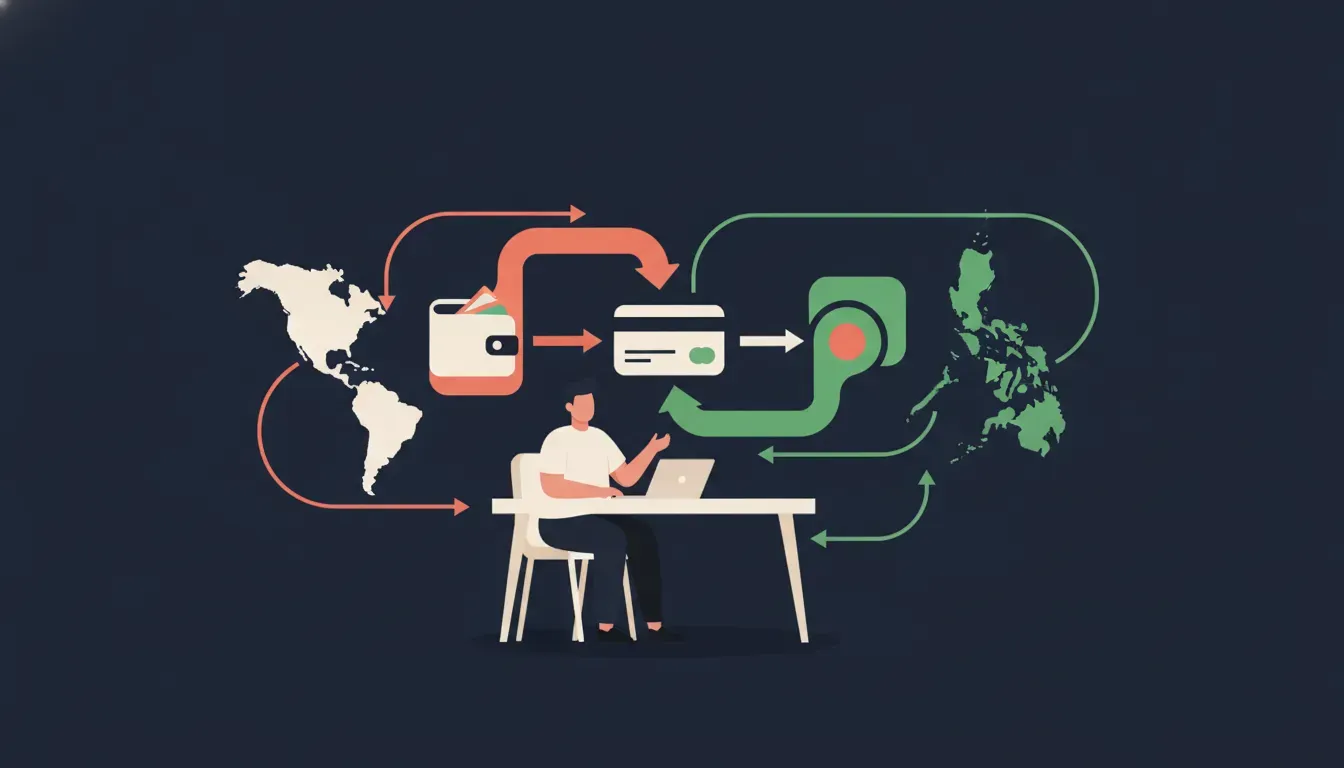
Mana vs Wise for Filipinos is a comparison between two different ways to manage cross-border money. Wise is built around multi-currency holding, conversion, and transfers. Mana combines a US dollar account, near-zero fee remittance, a yield feature, and a Visa card for global Filipinos. The better fit depends on whether you need a transfer tool or a broader financial home.
Join Mana to manage dollars and send money home with transparent rates.
Both products can help move money between the United States and the Philippines, but they solve different jobs. A comparison based only on the advertised transfer fee can miss the questions that matter more to an OFW: where dollars can be held, whether family support is easy to manage, whether savings can keep earning, and which card or account features are actually available to you.
What Is the Difference Between Mana and Wise?
In short: Wise is primarily a multi-currency transfer and account service, while Mana is a Filipino-focused fintech that brings US dollar banking services, remittances, savings, and card spending into one experience. Mana is not a bank. Banking services are provided by SSB Bank, Member FDIC, through the partner-bank model.
That product-model difference should guide the rest of the comparison. If you mainly need to convert currencies or make an international transfer, a transfer-focused service may be enough. If you earn or hold dollars, support family in the Philippines, and want one place for everyday spending and a liquid savings balance, an integrated account may be more useful.
Mana is designed for global Filipinos, including OFWs preparing to leave the Philippines, Filipinos newly established in the United States, and Filipino freelancers who receive USD payments. Account eligibility is built around a Philippine address and valid identification. It does not require a US address simply because the account uses US dollar banking infrastructure.
For a deeper explanation of eligibility and documentation, read the US bank account guide for Filipinos and OFWs. It covers the questions to ask before opening any dollar account, including account access, partner-bank disclosures, and the difference between a fintech platform and a bank.
How Do Mana and Wise Compare on Fees and Exchange Rates?
In short: Both services emphasize transparent exchange rates, but the final cost depends on the funding method, currency pair, amount, and recipient route. Mana uses the real mid-market exchange rate with no FX markup and a near-zero fee structure. Wise shows a variable fee before a transfer. Compare the complete quote, not just the headline fee.
The exchange rate is often more important than the first fee a provider displays. A transfer can advertise a low upfront charge but still deliver less PHP if the provider uses a less favorable rate. The Consumer Financial Protection Bureau's remittance disclosures require providers to show key information such as the amount sent, fees, exchange rate, and amount the recipient should receive. Use those details to compare like for like.
| What to compare | Mana | Wise |
|---|---|---|
| Core model | US dollar account, remittance, savings feature, and Visa card for global Filipinos | Multi-currency holding, conversion, transfers, and card features where available |
| Exchange rate | Real mid-market rate with no FX markup | Mid-market rate is used for many currency services; confirm the live quote |
| Transfer pricing | 0.25% flat fee at cost in the comparison example, with no FX markup | Variable fee shown before you confirm, based on route and funding method |
| What the recipient receives | Shown before confirmation, with delivery through supported Philippine routes | Shown in the transfer quote before confirmation |
Do not treat the table as a permanent price sheet. Fees, rates, limits, and delivery times can change. The practical test is to enter the same USD amount, funding source, and PHP destination in each product at roughly the same time. Record the total debit, the amount the recipient receives, the delivery estimate, and any conditions attached to the quote.
Mana's point of difference is that the transfer sits inside a broader USD wallet. You can hold dollars, convert only what you need, and keep the rest available for a future transfer, card purchase, or savings goal. That can be useful for an OFW who wants to separate regular family support from a dollar emergency buffer.
The CFPB's remittance disclosure rules are a useful neutral reference when checking a quote. They reinforce a simple habit: compare the total cost and recipient amount, not a provider's marketing label.
Does Mana Offer Banking, Savings, and a Card?
In short: Mana is designed as a broader financial platform rather than a standalone transfer service. It offers a real US dollar account through its banking partner, a liquid Save yield feature, and a virtual Mana Visa card. Wise offers multi-currency account and transfer features, but availability and card access depend on the user's country and product eligibility.
A real USD account can be useful when you receive salary, client payments, or other funds in dollars. Instead of converting every payment immediately, you can keep the balance in USD and decide when to convert. For Filipino freelancers, this can make cash-flow planning easier when income arrives on different schedules. For OFWs, it can provide a single place to organize dollar income and money sent home.
Mana's Save feature is a yield feature on the USD wallet, not a deposit account. The current rate is 3.5% APY, and the rate may change. The balance is designed to remain liquid, so you can access funds when you need to send money or spend. Read the terms and partner disclosures before relying on any yield rate as part of a financial plan.
Mana also offers a virtual Visa card that can be added to Apple Pay or Google Pay and used at Visa-accepting merchants. Eligible purchases can earn cashback, and a family card can help an account holder set spending limits and see charges. Review the Mana Visa Card page for current feature and issuer disclosures.
Wise can be a strong choice for people who want a focused multi-currency tool. Its product is familiar to international users and is built around holding, converting, and sending money. However, a transfer account is not automatically the same as a US banking relationship, and a card or account feature may not be available to every resident. Always check the current terms for your country.
See how Mana combines a USD wallet, family transfers, savings, and card access for OFWs.
Which Is Better for OFWs and Filipino Freelancers?
In short: OFWs who want a Filipino-focused way to hold dollars, send money home, and manage family support may prefer Mana's integrated model. Freelancers who mainly need to receive or convert international payments may prefer a focused multi-currency service. The right answer depends on the job you need done most often.
Mana may fit better when you need a financial home
- You want to open a US dollar account using a Philippine address and valid ID.
- You send regular support to a Philippine bank account or eligible e-wallet.
- You want to hold dollars instead of converting every payment immediately.
- You want a liquid yield feature for a USD balance, while understanding that the 3.5% APY rate may change.
- You want a virtual Visa card for spending and a way to manage a family card.
- You prefer an experience designed specifically around global Filipino money flows.
Wise may fit better when you need a focused transfer tool
- You regularly convert or send several currencies and want a specialized multi-currency workflow.
- You want to compare a live transfer quote before deciding whether to proceed.
- You are comfortable using separate products for banking, savings, family support, and card spending.
- You need a feature set that is available in your country and matches your specific transfer route.
For Filipino freelancers, the key question is not just whether a platform can convert USD to PHP. Ask whether you can receive money in USD, hold it without forced conversion, access it when a client payment is delayed, and separate operating cash from personal savings. Keep those freelancer-specific receipt questions in mind when comparing the two services, while this article focuses on the broader Filipino and OFW decision.
For OFWs, the decision often centers on family support. Consider how many recipients you use, whether they prefer a bank account or e-wallet, whether you need a card for everyday spending, and how much control you want over the timing of each conversion. A simple transfer tool may be sufficient for occasional payments. A broader platform can reduce the number of financial tools you manage each month.
Mana's product pages for Filipino freelancers and OFWs describe the use cases separately. Read the page that matches your situation, then confirm the current eligibility and terms before signing up.
What Should Filipinos Check Before Choosing?
In short: Choose based on the complete financial workflow, not on a single fee or a familiar brand name. Check eligibility, account structure, partner disclosures, total transfer cost, recipient access, delivery estimate, savings terms, card availability, and support. Then compare a real quote for the route and amount you use most.
- Eligibility: Confirm whether your address, identification, residency, and intended use are supported.
- Account structure: Determine whether you are opening a bank account, a fintech wallet, a multi-currency account, or a combination of services. Mana is a financial technology company, not a bank. Banking services are provided by SSB Bank, Member FDIC.
- Full transfer cost: Compare the amount debited, visible fee, exchange rate, and PHP amount received together.
- Delivery route: Confirm whether your recipient's Philippine bank or eligible e-wallet is supported and how long the transfer is expected to take.
- Dollar access: Check whether you can receive, hold, and spend USD without converting more than you need.
- Savings terms: Read whether a yield balance is a deposit account, what rate applies, whether the rate can change, and how withdrawals work.
- Card features: Check whether a virtual or physical card is available to you, where it can be used, and which purchases qualify for rewards.
- Customer support: Look for clear help channels and plain-language explanations before moving a large balance.
For eligible balances held through a partner bank, FDIC coverage depends on the account structure and applicable requirements. Mana's partner-bank disclosure is the source to review for the product, while the FDIC's pass-through coverage guidance explains why the underlying insured bank and ownership records matter. Do not assume that every fintech balance is automatically a bank deposit.
The most useful comparison is personal. Start with a normal transfer amount, a normal recipient, and the funding method you actually use. If you are an OFW, test your monthly family-support workflow. If you are a freelancer, test how USD arrives and when you can convert it. A product that looks cheaper in a generic comparison may be less convenient for your real routine.
Join Mana and explore a transparent USD account built for global Filipinos.
Frequently Asked Questions About Mana vs Wise
These answers summarize the comparison for Filipinos deciding between a focused multi-currency service and a broader cross-border financial platform. Use them as a starting point, then confirm current eligibility, rates, delivery routes, account disclosures, and card availability before moving money or relying on a savings feature.
Is Mana a bank?
No. Mana is a financial technology company, not a bank. Banking services are provided by SSB Bank, Member FDIC. Review the account disclosures and eligibility terms to understand which partner provides each service and when FDIC coverage may apply.
Is Wise a bank account?
Wise is generally known for multi-currency account, conversion, and transfer services rather than a traditional bank relationship. Product availability varies by country. Read the current Wise terms for your residence and do not assume that a multi-currency balance has the same structure as a bank deposit.
Which is better for sending money to the Philippines?
Compare the complete live quote for the same amount and route. Mana emphasizes a real mid-market rate with no FX markup and a near-zero fee structure. Wise displays a transfer quote before confirmation. The better option is the one that meets your recipient's needs at the total cost and speed you accept.
Does Mana offer savings?
Mana offers Save, a yield feature on the USD wallet. The current advertised rate is 3.5% APY, but the rate may change. Save is not a deposit account. Review the current product disclosures and partner-bank terms before deciding how much money to keep in the feature.
Can Filipinos use Mana before moving to the United States?
Mana is designed for global Filipinos and eligibility requires a Philippine address and valid ID. That means a US address is not the basic eligibility requirement. Check the current signup flow and terms for your exact situation, especially if you are preparing to leave or are newly arrived in the United States.